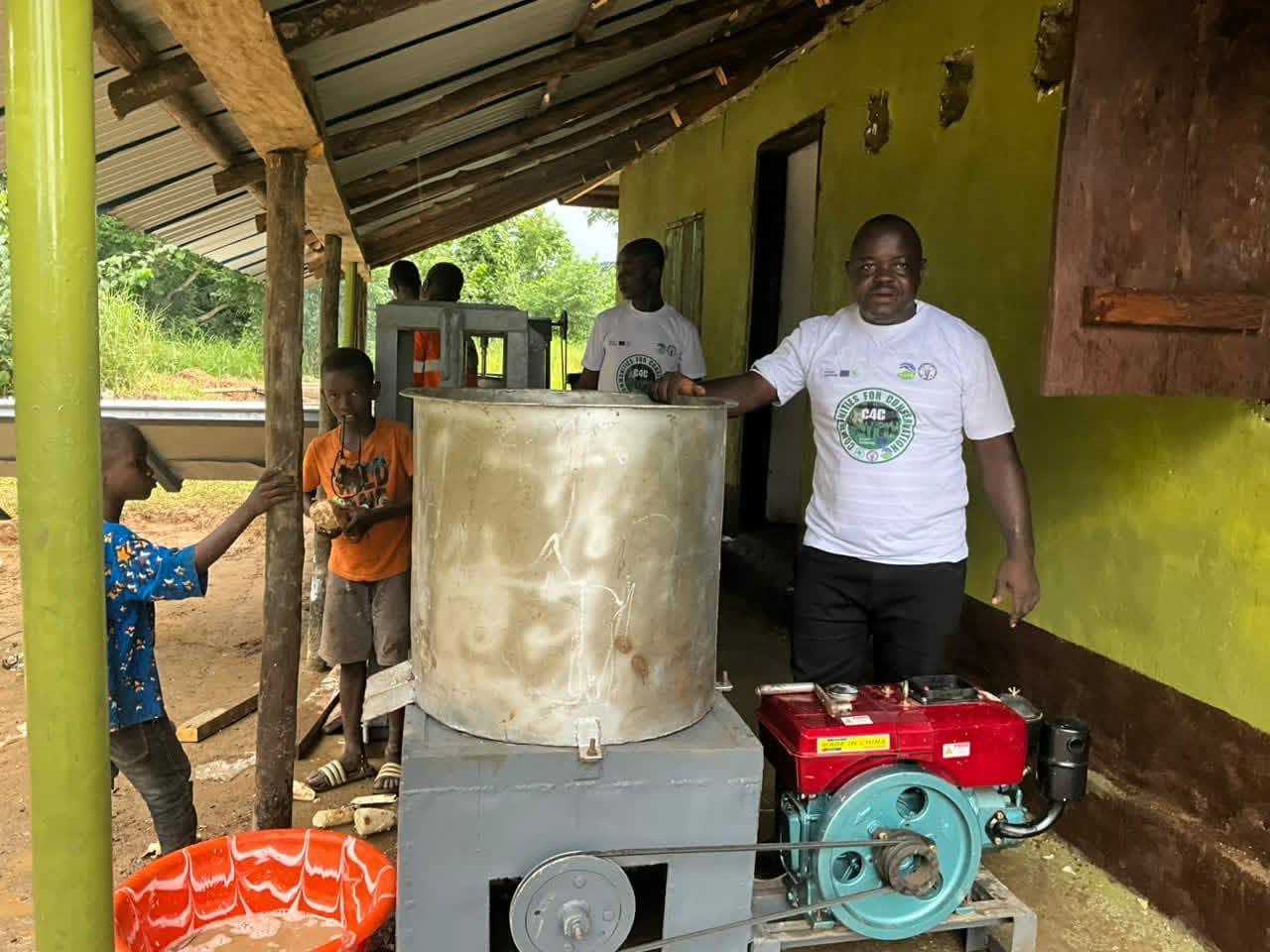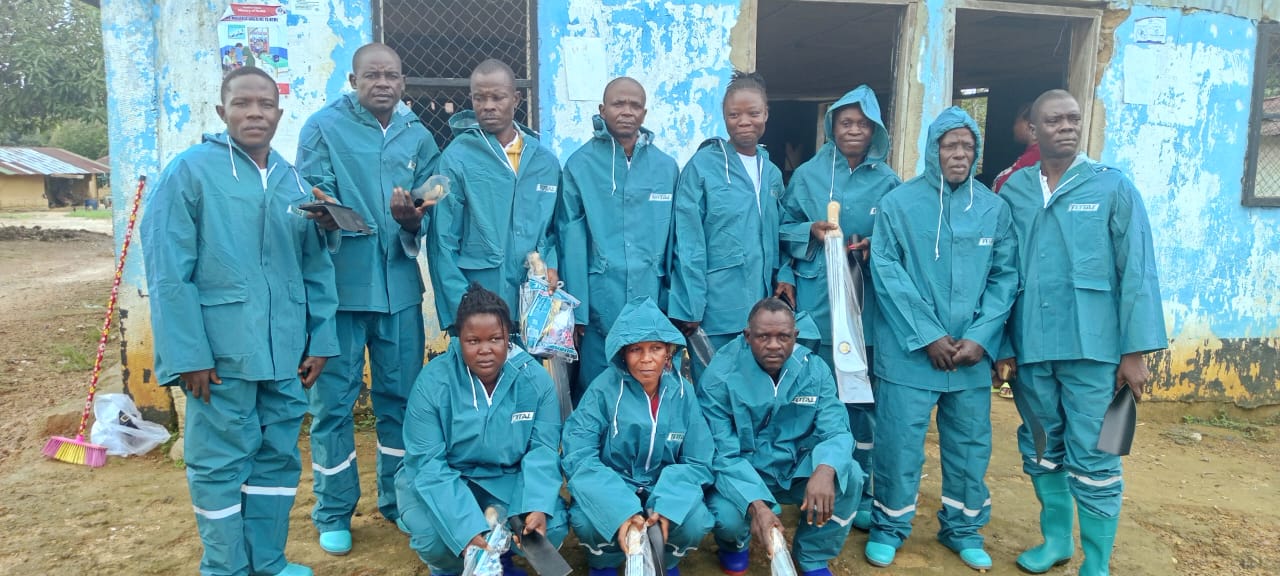
Fifty beneficiaries in Zuie Clan have commenced the transplanting of lowland rice on a 50-hectare farm under the European Union-funded Communities for Conservation (C4C) Project. This initiative marks a significant step toward improving rural livelihoods while promoting sustainable forest management.
The lowland rice farming activity forms a critical component of the project’s livelihood program, which seeks to provide farming communities with viable alternatives to practices that contribute to forest degradation. By encouraging farmers to cultivate rice in lowland areas, the project helps reduce the need to clear forest land for upland farming.
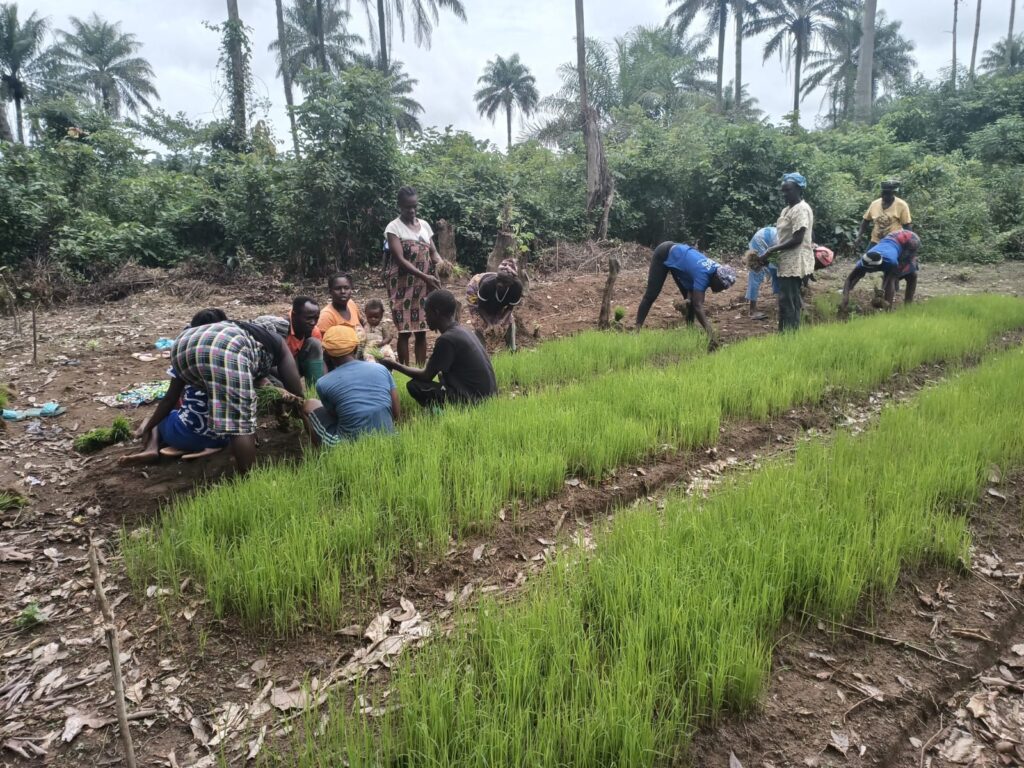
Lowland rice production offers several advantages to local farmers. It requires less labor, improves productivity, and can generate higher yields compared to traditional farming methods. As a result, participating households are expected to experience improved food security and increased economic opportunities.
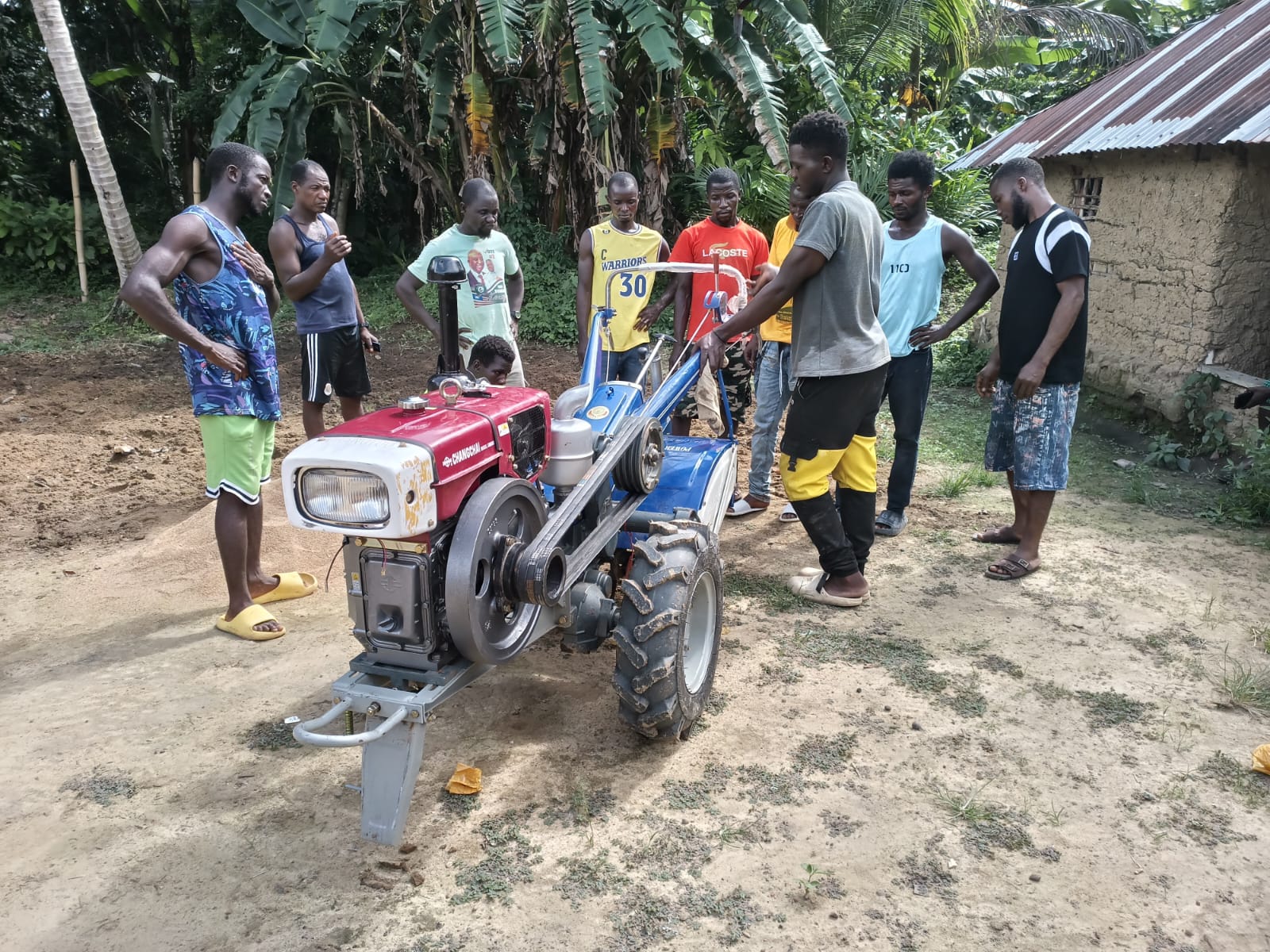
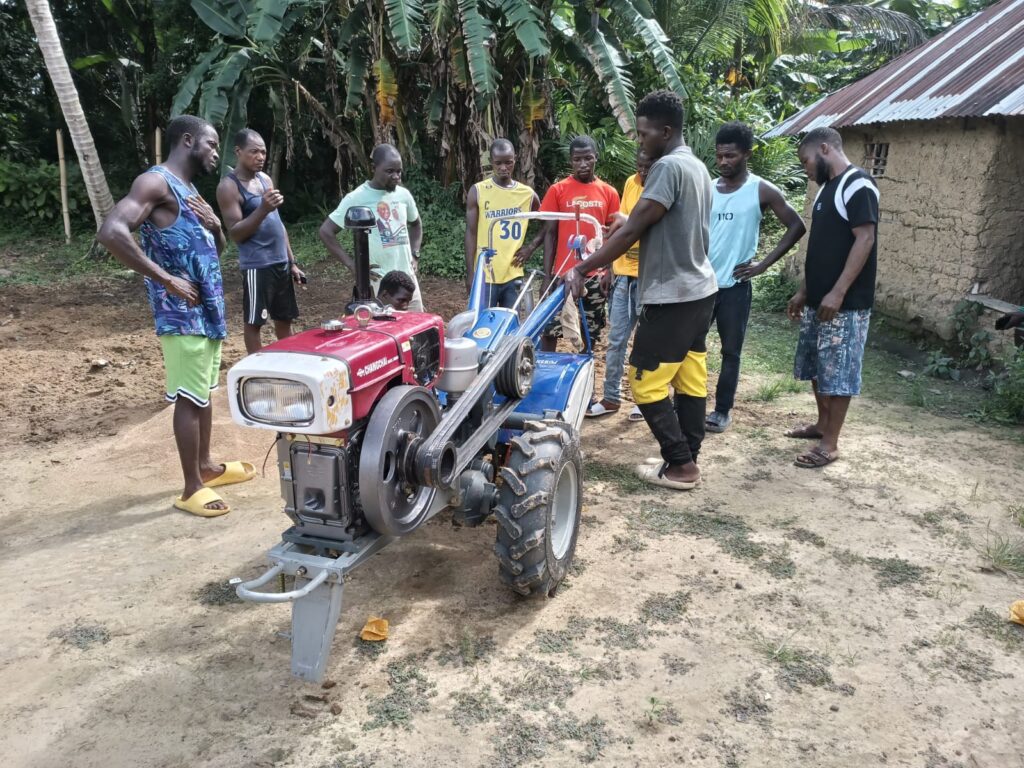
To further enhance agricultural productivity, the Society for the Conservation of Nature of Liberia (SCNL) donated a power tiller to the community as part of its broader rural industrialization agenda. The machine is expected to significantly reduce the time and effort required for land preparation, allowing farmers to cultivate larger areas more efficiently.
In addition, several community members received hands-on training in the operation and maintenance of the power tiller. This capacity-building effort ensures that local farmers possess the knowledge and skills necessary to maximize the benefits of mechanized farming while maintaining the equipment for long-term use.
The introduction of lowland rice farming and mechanized agricultural tools represents a transformative development for Zuie Clan. Beyond increasing agricultural production, these interventions contribute to forest conservation by reducing pressure on natural ecosystems and promoting sustainable land-use practices.
As communities embrace modern farming techniques, the C4C Project continues to demonstrate how conservation and livelihood improvement can work hand in hand to create lasting benefits for people and the environment.