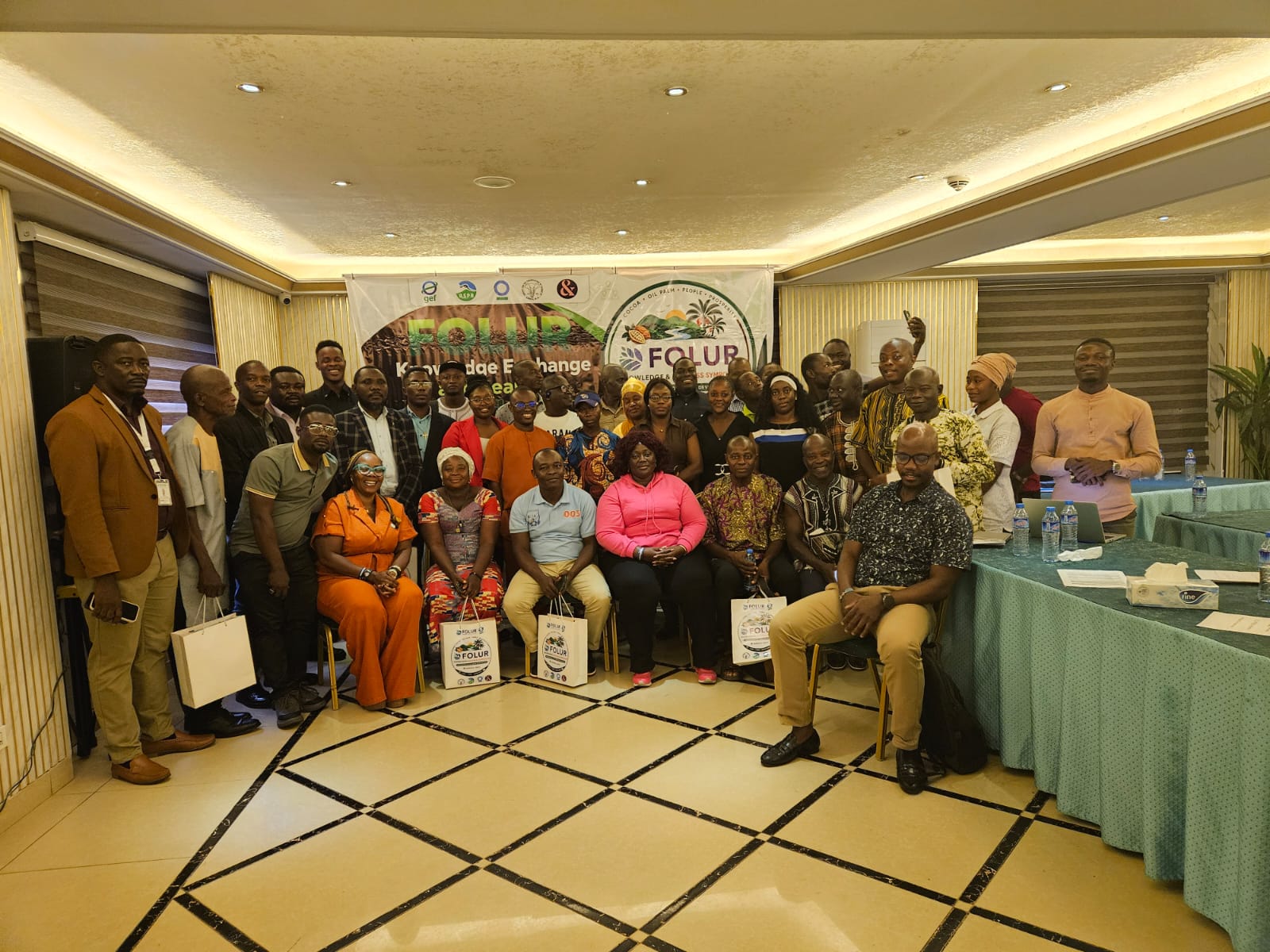
Monrovia, Liberia – July 9, 2026 – The Society for the Conservation of Nature of Liberia (SCNL), in partnership with the Royal Society for the Protection of Birds (RSPB) and Conservation International Liberia (CI Liberia), successfully hosted the Second FOLUR Business and Knowledge Exchange Symposium from July 8–9, 2026, at the Boulevard Palace Hotel in Sinkor, Monrovia.
The two-day symposium brought together farmers, local authorities, government institutions, private sector actors, development partners, and beneficiaries from Gbarpolu, Grand Cape Mount, and Lofa Counties to strengthen partnerships that promote sustainable agriculture, improve market access, and unlock financing opportunities for rural communities.

The symposium forms part of the Food Systems, Land Use and Restoration (FOLUR) Project, which supports forest-fringe communities by promoting sustainable cocoa and oil palm production while encouraging environmentally responsible land use practices and value addition. Through the project, farming communities are building resilient livelihoods that contribute to both economic development and forest conservation.
This year’s event provided a platform for beneficiaries to interact directly with financial institutions, agribusinesses, and government agencies, helping them identify opportunities that extend beyond the lifespan of the FOLUR project. Discussions focused on strengthening agricultural value chains, expanding access to markets, improving business development, and creating sustainable partnerships for community enterprises.
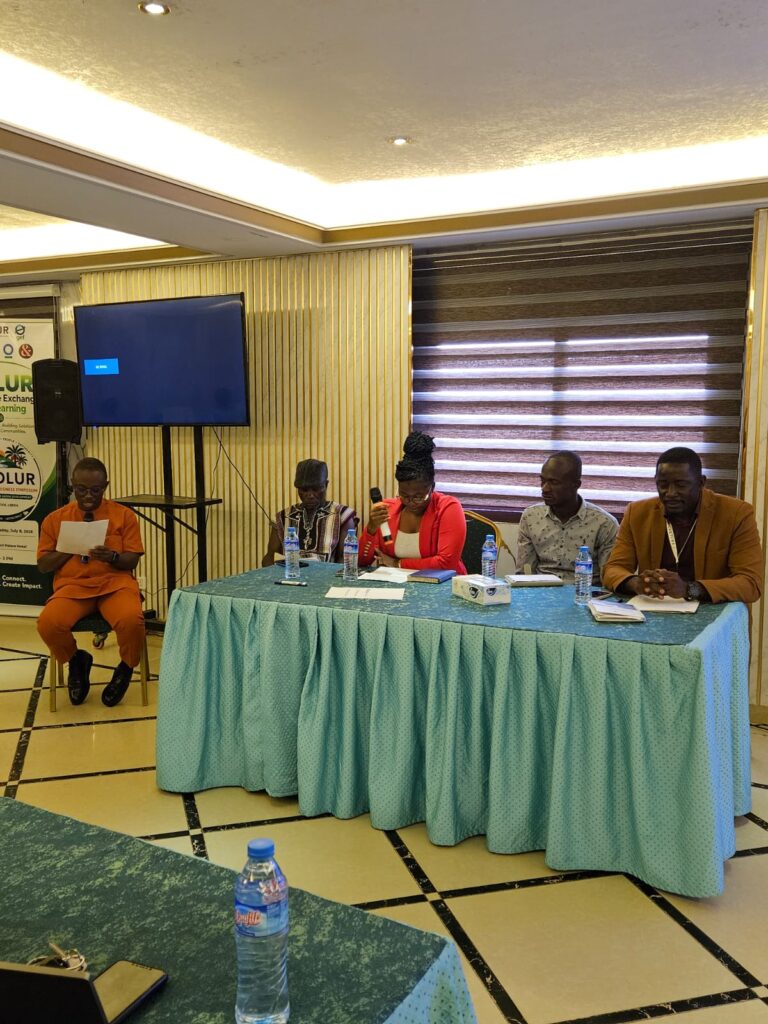
Among the notable participants was the Orange Foundation, the corporate social responsibility arm of Orange Liberia, alongside representatives from the Ministry of Finance and Development Planning (MFDP), the Forestry Development Authority (FDA), and the Liberia Agriculture Commodities Regulatory Authority (LACRA). Representatives from these institutions served as panelists, sharing valuable insights on financing mechanisms, agricultural regulations, investment opportunities, and government support available to farmers and agribusinesses.
The symposium emphasized the importance of collaboration between government, the private sector, and development organizations in creating an enabling environment for sustainable agricultural businesses to thrive. Participants also exchanged experiences, lessons learned, and innovative approaches to increasing productivity while protecting Liberia’s rich forest landscapesBy the close of the symposium, participants expressed optimism about the new partnerships and opportunities identified during the event. Farmers and community representatives left with a stronger understanding of how to access markets, secure financing, and build resilient enterprises that can continue growing beyond project support.
The successful conclusion of the Second FOLUR Business and Knowledge Exchange Symposium reaffirmed SCNL and its partners’ commitment to empowering rural communities with the knowledge, networks, and resources needed to build sustainable livelihoods while contributing to the conservation and restoration of Liberia’s forest ecosystems.