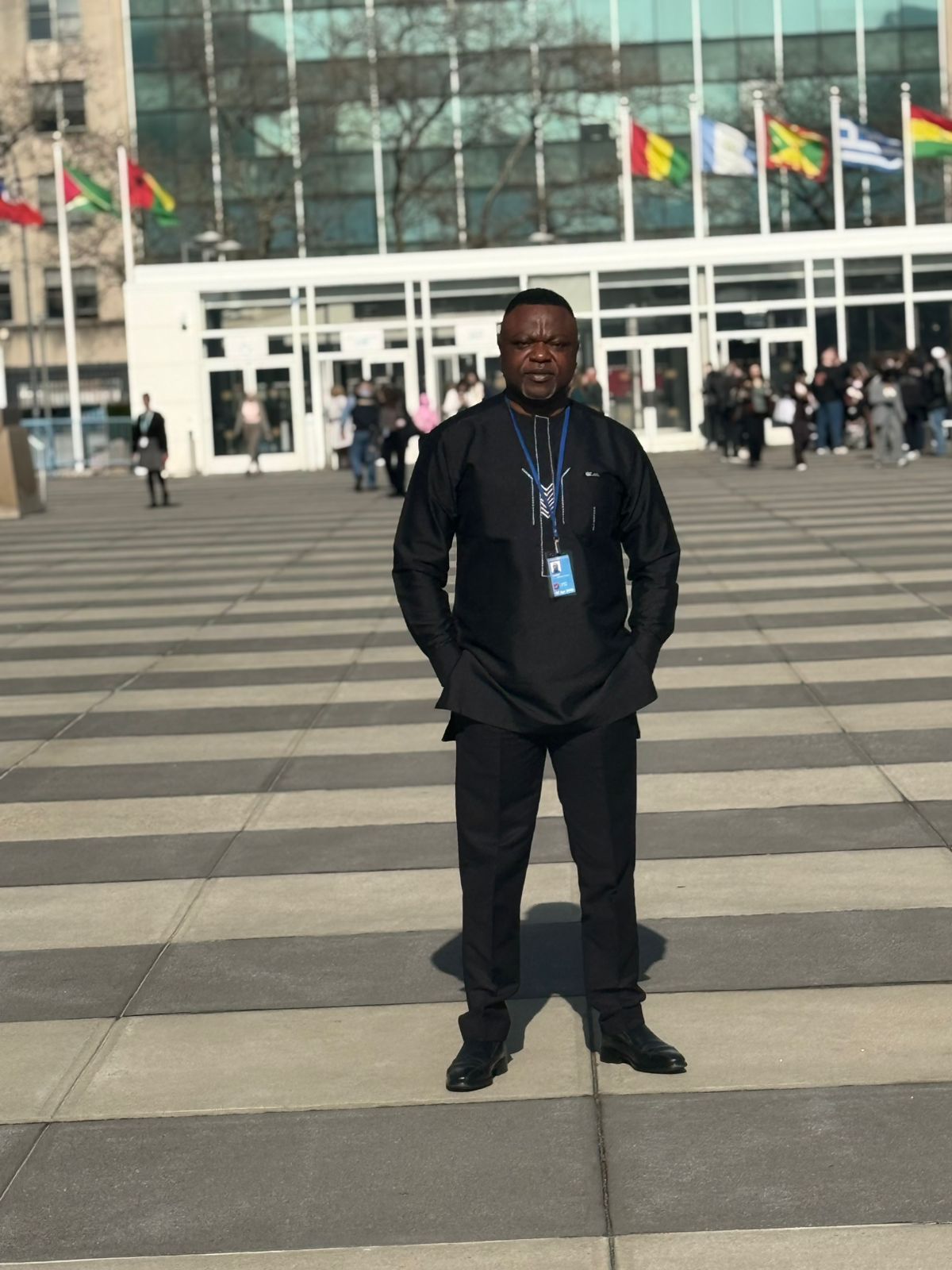
The Society for the Conservation of Nature of Liberia (SCNL) proudly represented Liberia at the 21st Session of the United Nations Forum on Forests (UNFF21), held in New York City in May 2026. SCNL’s Executive Director, Michael F. Garbo, participated in the high-level gathering alongside government representatives, civil society organizations, technical experts, and development partners from around the world.
The United Nations Forum on Forests serves as the leading international platform for advancing the conservation, sustainable management, and development of all forest types. The forum provides a unique opportunity for countries and stakeholders to exchange experiences, strengthen partnerships, and develop strategies that address pressing global challenges related to climate change, biodiversity loss, and sustainable livelihoods.
Mr. Garbo’s participation highlights SCNL’s continued commitment to promoting sustainable forest management and ensuring that the perspectives of local communities are reflected in global discussions on environmental governance. Liberia’s forests play a vital role in supporting biodiversity, regulating the climate, sustaining rural economies, and improving the well-being of countless communities that depend on forest resources.
By engaging in UNFF21, SCNL reinforced Liberia’s presence in international forest policy dialogues while exploring new opportunities for collaboration, knowledge sharing, and resource mobilization. Such engagement is essential for strengthening national conservation efforts and aligning Liberia’s forest governance priorities with global sustainable development and climate objectives.
As environmental challenges continue to grow in scale and complexity, active participation in multilateral forums like UNFF21 remains critical. These platforms not only shape global policies but also foster partnerships that can drive meaningful action on the ground.
SCNL remains committed to working with national, regional, and international partners to protect Liberia’s forests, promote sustainable livelihoods, and contribute to a more resilient and sustainable future for generations to come.