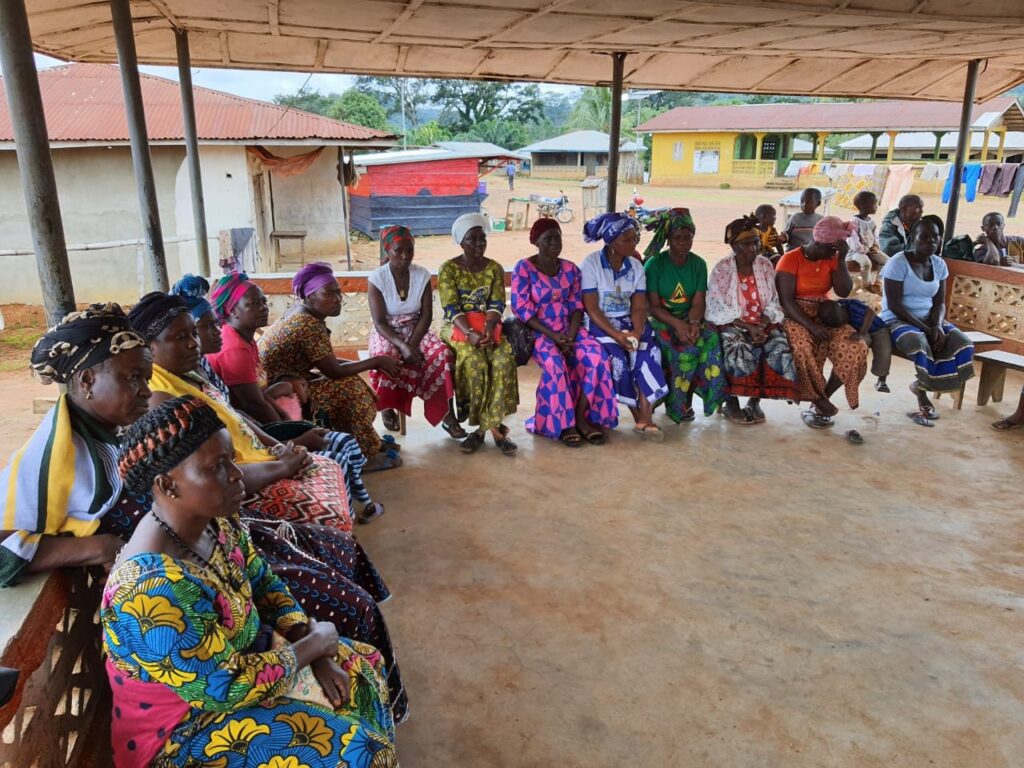
The Environmental Protection Agency (EPA), through the Society for the Conservation of Nature of Liberia (SCNL), has successfully rolled out a nationwide awareness campaign across Liberia’s nine coastal counties under the Enhancing Resilience of Vulnerable Coastal Communities of Sinoe (ERVCCS) Project. This major awareness effort is part of the government’s broader commitment to protect coastal ecosystems and promote climate resilience among communities that depend heavily on marine and mangrove resources.
The awareness activities focused on educating citizens about the dangers of sand mining, mangrove harvesting, unsustainable fishing practices, and the growing threats of climate change. Through a blend of traditional and modern communication tools, the campaign reached thousands of Liberians from Cape Mount to Maryland County, making environmental protection a shared national responsibility.
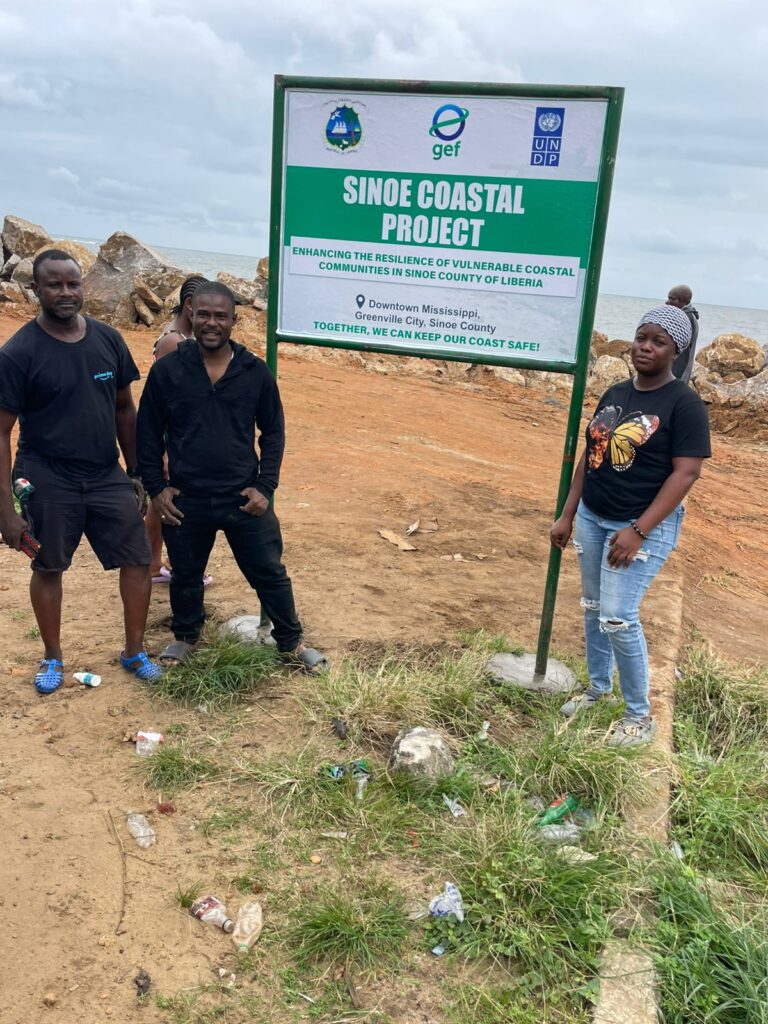
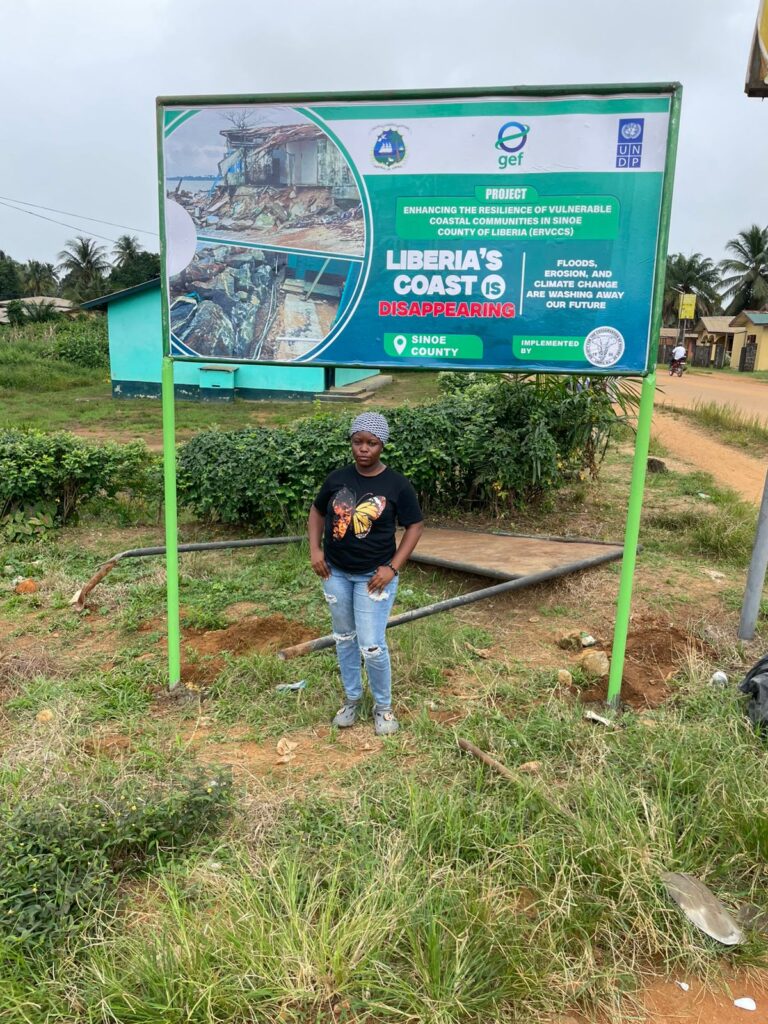
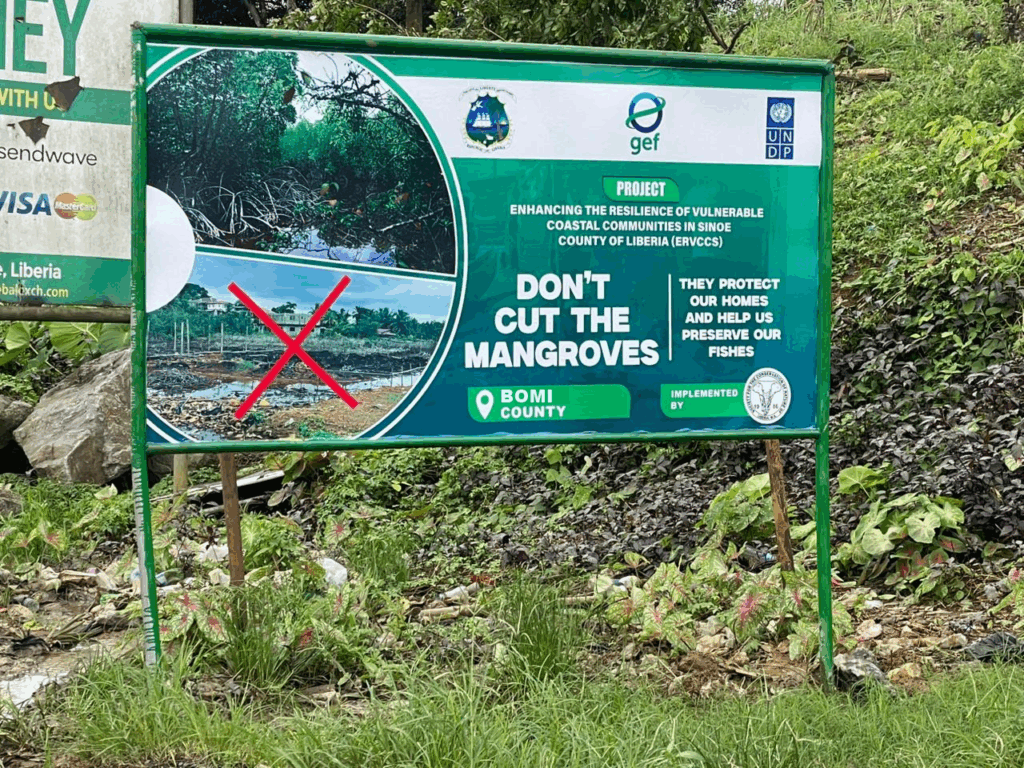
Five large billboards were installed in key locations across Bomi, Margibi, Rivercess, Sinoe, and Maryland Counties, carrying strong conservation messages to both commuters and local residents. These highly visible billboards were strategically placed at major entry points and urban centers—such as the Klay Checkpoint in Bomi, the Farmington Bridge in Margibi, and Greenville in Sinoe—to ensure maximum public exposure and awareness.
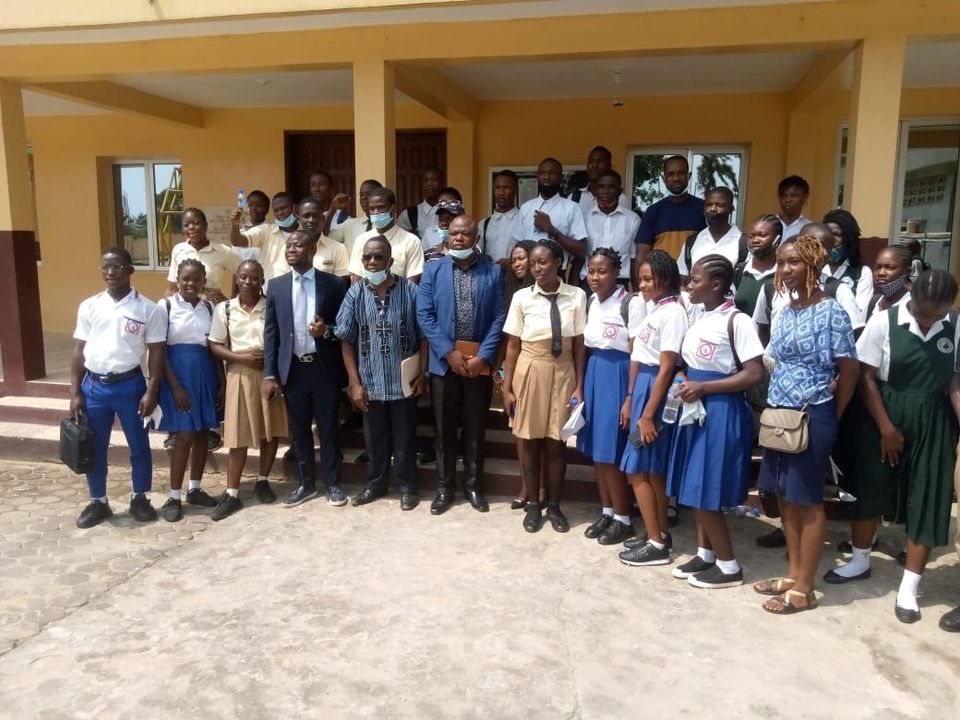
To deepen community understanding, over 450 brochures and 540 posters were distributed in local communities, schools, and market centers. These materials simplified complex environmental concepts into relatable messages that encouraged behavioral change and sustainable practices. In addition, project staff wore branded visibility jackets, making the campaign recognizable and reinforcing its message of environmental stewardship.
Perhaps the most impactful component was the production and airing of eleven (11) multilingual radio jingles across all nine coastal counties. Broadcast in major local dialects, these jingles served as a powerful tool to connect with diverse audiences—especially rural dwellers who rely on radio as their primary source of information. The messages promoted responsible environmental behavior and highlighted the urgent need to protect coastal ecosystems that are increasingly threatened by human activities and climate-related events.
Through this coordinated and far-reaching awareness drive, the ERVCCS Project has significantly strengthened public consciousness about coastal protection in Liberia. It has also enhanced collaboration between local communities, government agencies, and civil society actors in the collective fight against environmental degradation.
Ultimately, the campaign underscores that safeguarding Liberia’s coastlines is not only an environmental priority but a national duty—one that calls for active participation from every citizen to ensure a sustainable and resilient future for generations to come.