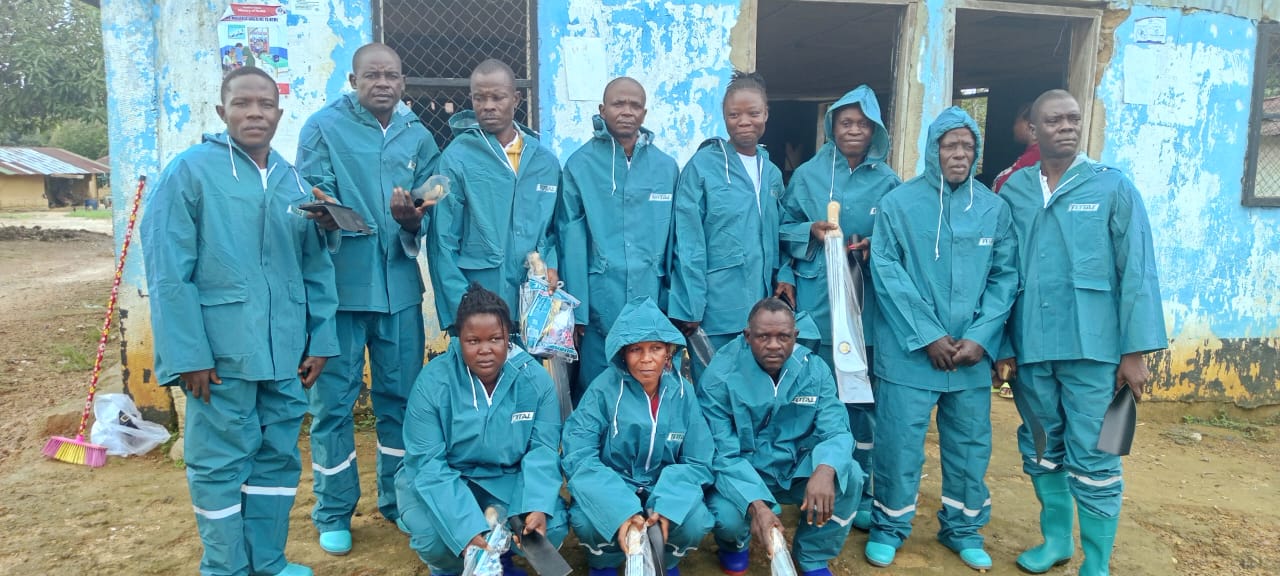
The European Union-funded Leh Go Green Project has taken another significant step toward promoting sustainable livelihoods and environmental conservation by distributing essential farming tools to project beneficiaries in Siappimah Town, Gbarpolu County.
A total of 17 beneficiaries received working tools for their farms that were established by the project, including rain gear, cutlasses, and other farm equipment, to support the establishment and maintenance of climate-smart agroforestry farms. The tools will enable beneficiaries to work more efficiently while improving the long-term sustainability of their farming activities.
Under the project, 17 households are being supported to establish 1,000-tree live crop farms, creating alternative and sustainable sources of income while contributing to forest restoration and biodiversity conservation.
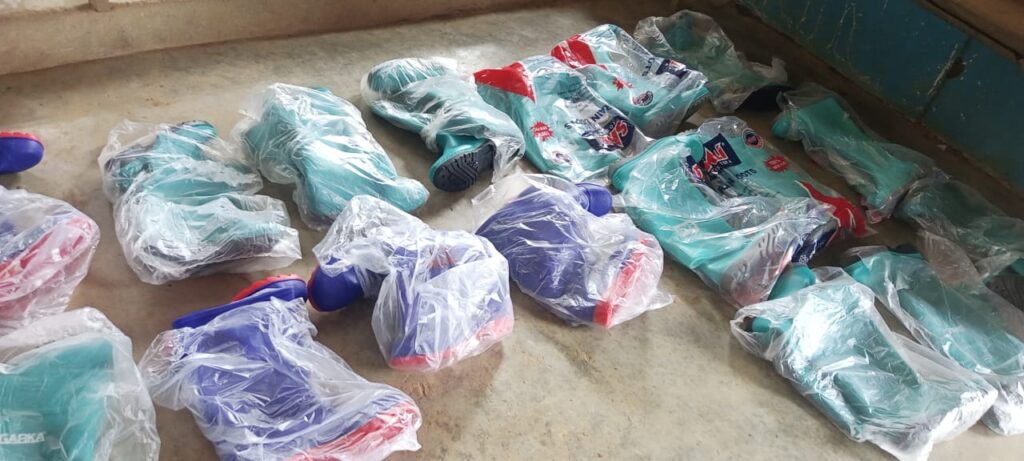
Each agroforestry farm consists of 800 cocoa trees and 200 native tree species, carefully selected to enhance ecological and economic benefits. The indigenous species include bitter kola, Guinea pepper, Guinea plum, Elke, and other valuable native trees that contribute to ecosystem restoration, improve soil fertility, provide habitats for wildlife, and offer additional economic opportunities for farming households.
The integration of cocoa with native tree species reflects the project’s commitment to promoting climate-smart agriculture that balances environmental protection with livelihood development. By adopting agroforestry practices, participating households can increase their resilience to climate change, diversify their income sources, and reduce dependence on unsustainable land-use practices that contribute to deforestation.
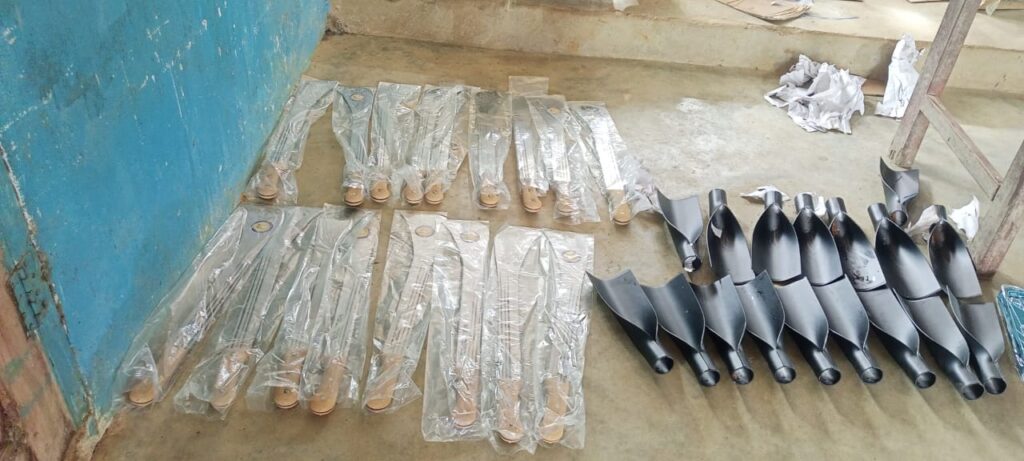
The Leh Go Green Project recognizes that empowering communities with practical skills, quality planting materials, and the necessary working tools is essential to achieving lasting conservation outcomes. Supporting local farmers to invest in sustainable agriculture not only improves household incomes but also strengthens community stewardship of Liberia’s rich forest ecosystems.
Through initiatives such as this, the Leh Go Green Project continues to demonstrate that conservation and economic development are mutually reinforcing. By creating opportunities for rural communities to thrive while protecting the environment, the project is helping to build a greener, more resilient, and more prosperous future for Liberia.